Insurance 101: All About Insurance Carrier Appointments
CATEGORIES
COMPANY TYPE
Picture this: You’ve taken all the necessary steps to become a licensed insurance producer. You’ve completed all of your state’s pre-licensing requirements, passed the official licensing exam, and submitted your background check and fingerprints. You’ve got everything you need to start selling insurance products, right?
Not exactly. You’re actually still missing one crucial step: Obtaining an insurance carrier appointment. Before an insurance producer can legally sell insurance on behalf of a carrier, they often must be appointed by that insurance company in accordance with state insurance regulations. Obtaining insurance carrier appointments is essential for carriers, agencies, MGAs, and producers to operate legally, and understanding how to navigate appointment requirements directly affects insurance compliance, onboarding speed, and an organization’s ability to grow its distribution network.
An appointment is how insurance carriers tell the state which producers or agencies can sell their products. Appointments establish a relationship between a carrier and a producer, and without one, a producer can’t legally sell a carrier’s insurance products.
Carrier appointments are a foundational component of insurance compliance. They connect licensed insurance producers to the insurance carriers whose products they are authorized to sell. While producer licensing demonstrates an individual’s qualifications, appointments establish the legal business relationship between the producer and the carrier where required by state law.
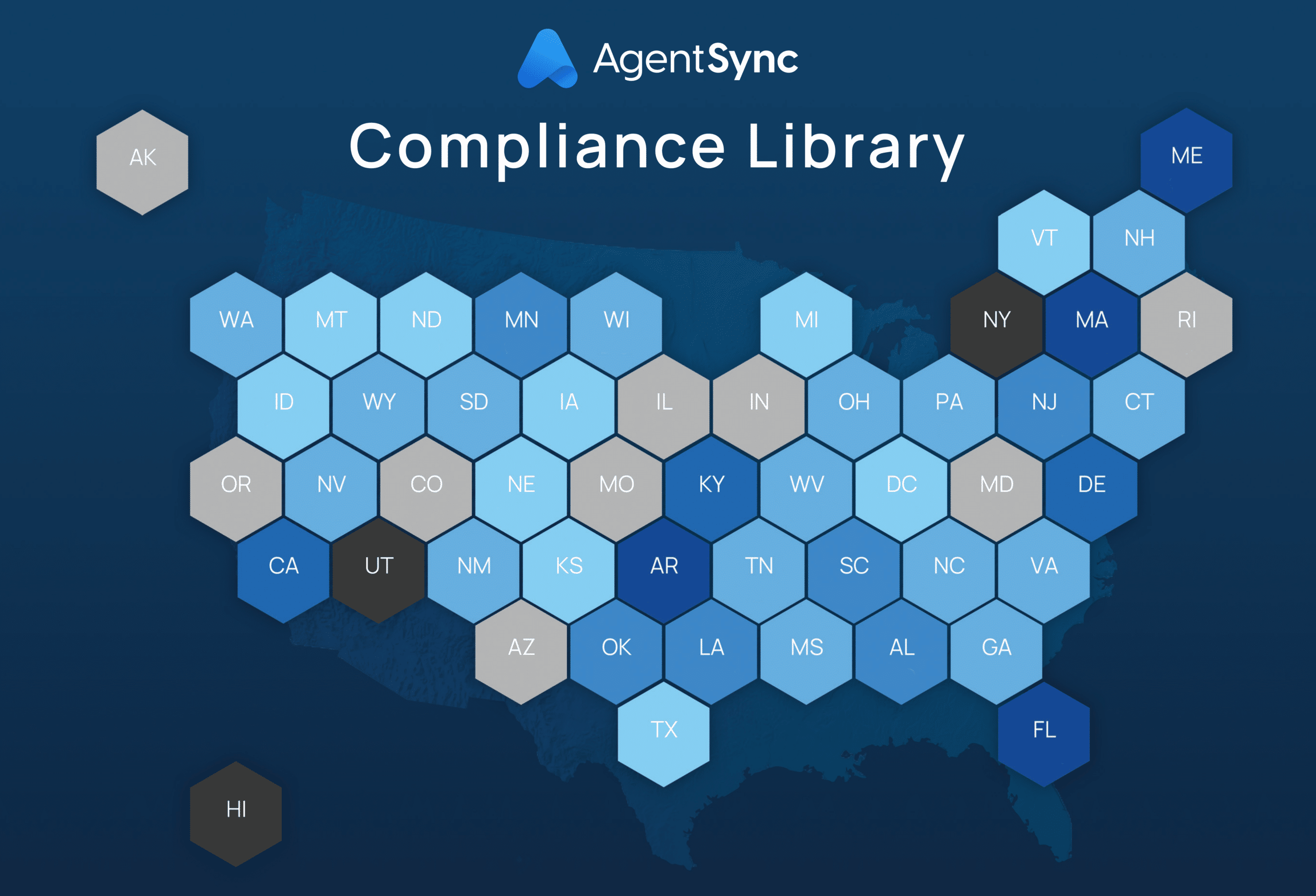
Sounds simple enough, but, because appointment requirements vary by state, things can get a little complicated. For example, while most states require carriers to report their producer appointments, there are a handful that don’t, like Alaska, Illinois, Oregon, and any others we consider “Registry” states. Of the states that do require reporting, some regard insurance producer appointments as perpetual (as long as the producer holds a valid license), while others require annual appointment renewal. Some states even require insurance producers to have at least one carrier appointment to keep their insurance license active. Without modern compliance technology, this can quickly make a mess of an insurance company’s compliance and record-keeping, particularly if they operate in multiple states.
To further complicate things, some states require carriers to appoint all agencies and other business entities (MGAs, MGUs, and BGAs, for example) that work downstream of them, along with their producers. In some states, these agency appointments mean carriers must pay for all of an agency’s producers to be appointed with carriers they’ll never actually sell products for. Other times, as long as an agency has affiliated its downstream producers to the business at the state level, then a carrier can merely appoint the agency and that agency’s producers will automatically be authorized to operate under that agency’s “umbrella.” And some states require every agency and each producer to have their own independent carrier appointment regardless of who works with whom.
Sidenote: Tracking down state-specific appointment regulations can be its own burden, so if you’re looking for answers to questions like “Where do carriers renew their appointments in Texas?” or “Does California allow for JIT appointments?”, check out our state-by-state insurance carrier appointment FAQ page.
To excuse carriers from having to pay to appoint agents before they ever write business, some states allow for what are known as Just-In-Time, or JIT appointments. JIT appointments let insurance carriers delay appointing a producer and paying the associated fees until the producer actually starts writing business for that carrier.
JIT appointments can be a huge cost-savings opportunity for the insurance carriers who leverage them. You can read more about the benefits of JIT appointments and how to take advantage of them here.
Carrier appointments aren’t typically a one-and-done thing. Insurance producers typically have appointments with multiple carriers so they can sell a more diverse range of insurance products to address a wider range of risks. And they also may need separate appointments for each state they’re working in from each carrier. Along with the ability to sell their products, when an insurance producer or agency appoints with a reputable carrier, they also gain leads, benefit from that carrier’s marketing efforts, and build greater trust with clients.
Getting a carrier appointment isn’t always a walk in the park, though, and it can be particularly challenging for smaller insurance agencies or producers that are new to the scene. Carriers, especially larger, more established ones, might be reluctant to take the risk of partnering with newer, smaller agencies. However, everyone has to start somewhere, so we’ve put together a few tips for obtaining a carrier appointment as a new insurance agency.
Insurance producers form the connection between carriers and policyholders, so a smooth partnership is important for the success of everyone involved. As a good rule of thumb, producers should appoint with carriers who are:
A good product/market fit
This one is pretty self-explanatory. Producers should aim to appoint with insurance carriers who offer the products their clients are looking for. For example, if you work as an insurance producer in a flood-prone state, you’ll want to get an appointment with at least one carrier that offers flood insurance. If a lot of your clients are getting married or starting a family, consider carriers with a wide range of life insurance options. Producers may also want to get an appointment with carriers whose product offerings provide opportunities to expand their business into new markets.
Highly reputable and financially stable
Insurance carriers have an obligation to pay customer claims, but unfortunately their ability to do so isn’t always a guarantee. And while unforeseen risks like catastrophic natural disasters can rock even the sturdiest of carriers, producers should aim to get appointments with insurance carriers who have a proven track record of meeting their financial obligations. If the information is available, it’s never a bad idea to check a carrier’s score with a rating agency to better understand their financial strength.
Able to offer an exceptional producer and client experience
As an insurance producer, your income is directly tied to your ability to sell insurance products. When a carrier’s appointment process is rife with manual data entry and workflow silos, producers get stuck in onboarding limbo, unable to sell until the process is complete. To make things more efficient, carriers can leverage insurance compliance technology and automation in their onboarding and appointment processes. Not only can modern insurtech help get producers ready to sell faster, it also shows a carrier’s commitment to offering a world-class producer experience. Talk about a green flag!
And, with the producer experience dialed in, you’ll also want to think about what the carrier offers in the way of client experience. Do you want to sell products for a carrier that gives clients access to mobile apps, quick claims processing, and exceptional communication? Or one that makes it a nightmare for clients to report claims and get them paid?
As we alluded to earlier, the appointment process varies from state to state as well as from carrier to carrier. Generally, once a producer finds a carrier that aligns with their goals and their target market, they’ll need to follow any specific state appointment requirements to qualify. It’s then up to the carrier to submit the appointment request to the state Department of Insurance (DOI) and pay the associated fee.
If the DOI finds the producer to be in compliance then, bada bing, bada boom, the appointment is confirmed. Of course, verifying that a producer is in compliance with all state-specific regulations can be its own challenge that, without help from integrated and automated insurance compliance technology, can take days, if not weeks, to complete.
State nuances mean insurance carrier appointments can be a time-consuming, tedious piece of the compliance puzzle, especially when managed by hand. With 50 states and multiple territories all having their own, sometimes contradictory appointment rules, manually managing producer compliance throughout the appointment process can be a little overwhelming to say the least.
Luckily, there’s a better way. Automated appointment management can help insurance carriers, agencies, and MGAs reduce compliance risk, improve onboarding speed, and maintain accurate producer records across every jurisdiction. If you’re an insurance carrier looking to ease your compliance team’s burden and offer your distribution partners a world-class experience, AgentSync can help. Contact one of our experts today.
No. An insurance license authorizes a producer to sell insurance within a particular line of authority, while a carrier appointment establishes the producer’s relationship with a specific insurance carrier. Depending on state requirements, a producer will likely need a valid carrier appointment in addition to their insurance license before they can legally solicit, negotiate, or sell insurance products.
No. Appointment requirements differ by state. Some states require appointments before a producer begins selling insurance, while others allow carriers to file appointments after a producer’s first submitted application through a process known as a just-in-time (JIT) appointment. States may also have different filing deadlines, fees, and reporting requirements.
In most cases, the insurance carrier is responsible for filing producer appointments with the appropriate state insurance department. Some carriers manage this process internally, while others use compliance technology or third-party services to automate appointment filings and monitor ongoing compliance requirements.
Yes. Insurance producers, particularly independent producers, often represent multiple carriers. Each carrier appointment is separate, and producers must meet each carrier’s onboarding requirements while complying with applicable state regulations.
Selling insurance without a required appointment can expose both the producer and the insurance carrier to regulatory action, including fines, penalties, or other compliance issues. Because appointment rules vary by state, carriers should have processes in place to verify licensing and appointment status before producers begin selling.
Managing appointments manually becomes increasingly challenging as producer networks grow. Many insurance carriers use compliance technology to automate appointment filings, monitor state-specific requirements, track producer status, and maintain accurate records throughout the producer lifecycle. Automation can help reduce administrative burden, improve onboarding speed, and lower the risk of compliance errors.
Some common compliance mistakes include things such as:
* Appointing producers before verifying licenses
* Missing state filing deadlines
* Failing to terminate appointments
* Manual spreadsheet tracking, which leads to administrative errors and slower processing speed
* Inconsistent producer data
* Duplicate records
All of these mistakes can be avoided by employing modern insurance compliance software in your business.

Get the latest updates on new insurance industry content.
Learn how insurance lines of authority (LOAs) impact producer licensing, compliance,…
The average person has no need to insure any specific part…
Simply put, an insurance agency is a type of business entity…